
Objectives:
In this session, you will learn:
– Understanding infection risks are higher than most realize in Endoscopy
– High Level Disinfection Basics for IP’s
– Easy steps/policies to bring down infection risks
– Endoscopy NEEDS IP involvement
Speaker 1: Dr. Mary Ann Drosnock, DHSc, CIC, CFER, RM (NRCM), FAPIC, AAMIF
Head of Clinical Affairs, Healthmark

Research increasingly shows that hospital sinks, drains and plumbing systems can function as reservoirs for multidrug-resistant organisms (MDROs). Studies have identified pathogens such as pseudomonas aeruginosa, carbapenem-resistant enterobacterales (CRE), candida auris and legionella colonizing plumbing biofilms, where organisms can persist and resist disinfectants. When facilities address sink-related contamination, interventions often focus on cleaning visible surfaces. However, evidence suggests the microbial reservoir frequently exists deeper, within drainpipes and plumbing infrastructure, allowing pathogens to persist and re-emerge even after cleaning. What can infection prevention programs do to keep hospital plumbing systems from becoming environmental reservoirs for MDRO transmission? This session will review evidence linking sinks and drains to pathogen transmission, the mechanisms that allow them to persist within plumbing biofilms, and how splash and droplet contamination during routine use can spread pathogens to nearby surfaces. It will also provide a real-world example of how one hospital infection prevention team utilized building-level water treatment technology to quickly and effectively counter waterborne bacterial proliferation.

Join us for this free, interactive event and discover innovative solutions advancing infection prevention and control at APIC’s virtual experience, The Pitch.
Hear directly from participating companies as they present their latest IPC innovations:

PRIZES! PRIZES! PRIZES!
Prizes will be raffled off throughout the event.
By registering for this webinar, you are agreeing to be contacted by event Sponsors. APIC does not endorse any products or technologies.
Description: Flexible endoscopes are associated with more healthcare-associated infections than any other reusable medical device. This is due to several factors to include a very high microbial load, long and narrow channels and intricate components (e.g., elevator mechanisms), biofilms, inadequate reprocessing, and use in sterile body areas (e.g., biliary tract, respiratory tract), where introduction of even small numbers of pathogens can cause serious infections. While some endoscopes used in operating rooms are sterilized, modalities for terminal sterilization of long flexible endoscopes used in endoscopy centers are just starting to come on the market.
Objectives:
Speaker 1: William Rutala, Ph.D, MPH, CIC
Speaker 2: Curtis Donskey, M.D.
Speaker 3: Kathleen McMullen, MPH, CIC, FAPIC, FSHEA
Download the presentation slides here.

Recognize the Impact of Respiratory Infections: Explain why long-term care residents are more susceptible to vaccine-preventable respiratory pathogens and the significant impact of lower respiratory tract infections. Identify Preventive Measures: Identify the various vaccine platforms, their role in preventing respiratory infections, and the CDC recommendations for each: COVID-19, RSV, and pneumococcal disease. Facilitating Vaccine Confidence: Discuss strategies to increase adult vaccination rates and address common factors contributing to vaccine hesitancy, emphasizing the role of healthcare providers in improving vaccine confidence.
Objectives: Understand the Epidemiology and Risk Factors: Describe the epidemiology, clinical characteristics, and risk factors associated with common respiratory infections in long term care residents including COVID-19, RSV, and pneumococcal disease.
Speaker 1: Mike Kalogiannis, PhD MBA
Vaccines Field Medical Director
U.S. Medical Affairs-Pfizer Inc.
Speaker 2: Laura Manzey, PharmD
Vaccines Field Medical Director
U.S. Medical Affairs-Pfizer Inc.

Join Metrex Prof Ed for a practical webinar exploring the evolving landscape of infection prevention. This session blends timeless fundamentals with the latest innovations and high-reliability strategies, equipping healthcare professionals to tackle persistent challenges and drive safer outcomes.
Participants will revisit the core pillars of infection prevention while learning about new technologies, regulatory standards, and proven practices borrowed from high-reliability industries. The course also addresses ongoing barriers such as IFU compliance, competing priorities, and outbreak management, offering actionable solutions for continuous improvement.
Objectives:
Speaker: Jane Gabalski, BSN
Clinical Sales Specialist
Metrex
CE: 1

Join us for an insightful presentation that features a patient’s perspective on living with end-stage kidney disease (ESKD) and experiencing a catheter-related bloodstream infection (CRBSI) while receiving hemodialysis through a central venous catheter (CVC), and the perspective of an Infectious Disease physician who manages these patients and will review the risks of CRBSIs, strategies for prevention, and ways that multi-disciplinary teams can work together to protect patients.
Objectives:

Speaker 1: Payal Patel, MD
System-Wide Medical Director of Antimicrobial Stewardship, Associate Professor, Division of Infectious Diseases, Intermountain Health

Speaker 2: Celina Medina
Patient Advocate

Dr. Mark Crockett, Alex Peregord, and Morgan Sagely of Phigenics join together to present “Beyond Legionellosis: Characterizing Risk, Environmental Testing, and Validation Responses.” This webinar follows previous presentations on biofilm pathogens and additional guidelines from ANSI/ASHRAE Standard 514-2023 in addressing clinically significant microbial hazards not typically addressed by water management programs. In this discussion, the team will provide guidance on leveraging validation strategies to enhance wider clinical surveillance objectives beyond Legionella. In addition, there will be an emphasis on the role of Infection Prevention as a unique and valuable contributor to water management teams showing not just the “why” but also the “how” IP professionals can get involved.
Objectives:
Speaker 1: Mark Crockett
Chief Executive Officer
Phigenics
Speaker 2: Alex Peregord
Product Manager, Validation Services
Phigenics
Speaker 3: Morgan Sagely
Product Manager, Water Management Programs
Phigenics
CEs will be provided by Phigenics.

Effective environmental cleaning and disinfection is essential for prevention of healthcare-associated infections. However, in a culture survey of 30 hospitals sponsored by APIC, we found that surfaces were often contaminated after cleaning and disinfection. To better understand why surfaces remain contaminated, we have conducted observational studies in collaboration with our EVS program to identify cleaning practices and products that may lead to ineffective cleaning and disinfection. Important findings include frequent malfunction of automated disinfectant dispensers, incorrect use of disinfectants, and suboptimal monitoring of cleaning practices and products. This presentation will review factors that were identified as contributors to ineffective cleaning and disinfection and discuss strategies for implementation of monitoring that involve collaboration between environmental services personnel and infection prevention.
Objectives:
Speaker 1: Dr. Curtis Donskey, M.D.
Infectious Diseases physician and hospital epidemiologist at the Louis Stokes Cleveland VA Medical Center and Professor of Medicine at Case Western Reserve University
CEs will be provided by Clorox Healthcare

1 CU/IPU – Nursing, CBSPD/HSPA, and CBIC credits
Reprocessing Instructions for Use (IFUs) are essential for patient safety, regulatory compliance, and effective device care. But how are they created? Join us for an inside look at the process, from device design and material selection to validation testing.
Objectives: By the end of this webinar, participants will be able to:
Speaker 1: Jamie McGloin, CIC, CFER
Infection Prevention & Control Specialist
Olympus Corporation of the Americas

Speaker 2: Eric Smith, CFER
Infection Prevention & Control Specialist
Olympus Corporation of the Americas
In endoscope reprocessing, the final stages can make the difference in patient safety. The Last Mile of Endoscope Reprocessing: Drying and Storage will take a closer look at the final key steps for these reusable medical devices. This session will highlight why drying and storage deserve as much attention as cleaning and high-level disinfection.
Objectives:

Speaker: Rebecca Alvino, RN, MS, CNS, CIC, CNOR, CRCST, NEA-BC, FAPIC
System Director, University of California Davis Health

This webinar, led by Dr. Rossana Rosa, explores the urgent need for Candida auris surveillance in healthcare settings. Dr. Rosa outlines the epidemiology, clinical risks, and challenges posed by this multidrug-resistant fungus, emphasizing its rapid global spread and high mortality rates. The session provides practical guidance on identifying at-risk populations, screening protocols, and laboratory testing methods. Attendees will gain insights into designing effective surveillance programs that balance clinical, operational, and financial considerations.
Download presentation slides for this webinar here.

Speaker: Rossana Rosa MD, MSc, FIDSA
Medical Director for Infectious Diseases at Horizon Health Network
For over 50 years, Chlorhexidine gluconate (CHG) has been used in healthcare settings and has become a well-established part of infection prevention bundle strategies. Despite its long-standing reputation, myths and concerns persist.
In this session, we’ll address these concerns, debunk some of these myths, and highlight the power of a cleansing bath. We will showcase clinical outcomes through successful studies and improvement projects, demonstrating significant reductions in infection rates and cost savings.
Don’t miss the opportunity to elevate your patient bathing strategies with valuable insights from our expert panel.
Objectives:
Speakers:
Celeste Chandonnet MSN, RN, CIC
Clinical Director Marketing, Gloves and Antiseptics
Molnlycke Healthcare
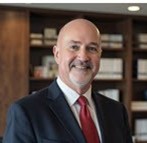
Dr. Kevin Langkiet PhD, MSN, RN
Director for Cardiovascular and Critical Care Services
Mercy Health Anderson Hospital
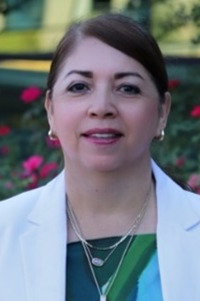
Paulina Rodriguez MSN, RN
Infection Preventionist Hendricks Medical Center South
Hendricks Medical Center South
Objectives: By the end of this webinar, attendees will:
1. Understand the challenges and limitations of traditional CHG-based cleansing solutions.
2. Learn how Citrus Silver Topical Cleansing Solution provides a non-inferior alternative to CHG and overall skin health.
3. Explore the unique mechanism of action behind Citrus Silver’s formulation.
4. Gain insight into the broader Citrus Silver product portfolio and its applications in healthcare settings.
Speaker 1: Dr. Caitlin Crews-Stowe, PhD, MPH, CPH, CIC, CPHQ, VA
University of Tennessee, Scenic City Healthcare
Speaker 2: Martie L. Moore, MAOM, RN, CPHQ
Join TRSA’s free three-part webinar series to explore how hygienically clean reusable textiles support patient and staff safety. Learn from clinical and industry experts about evaluating professional laundry operations, the risks of home laundering, and best practices for linen handling. Each session delivers practical, evidence-based insights to strengthen infection prevention and textile management in healthcare settings.
This free series includes three sessions:
• May 1: Mastering Laundry Inspections: A Best Practices Checklist for Infection Preventionists
• June 3: The Risks of Home Laundering Facility-Provided Scrubs
• July 10: Linen Handling Best Practices for Infection Control
Objectives:
• Understand key infection prevention standards for professional healthcare laundry operations.
• Recognize the infection risks associated with home laundering and the benefits of professional laundering services.
• Apply best practices for linen handling to reduce the risk of cross-contamination in clinical environments.
Speakers Include:
Greg Cox, Auditor, Hygienically Clean Certifications
Liz Barber, BSN, RN, Clinical Educator, HandCraft Linen and Uniform Specialists
Dyan Troxel, MSN, RN, Director of Clinical Education, HandCraft Linen & Uniform Specialists
Mike Lang, Process Analyst, Unitex Healthcare Laundry Services
…and more

Let’s look at what it means to “clean” in a healthcare environment and why
it’s important. We will discuss methods to monitor cleaning and the
cleaning process before exploring how improving cleaning may lead to
better patient outcomes.
Objectives:
CE: 1
Speaker:
Sharon Ward-Fore, BS, MS, MT(ASCP), CIC, FAPIC
Infection Prevention Consultant
Join us for this comprehensive webinar designed to enhance your understanding of the critical pillars that drive patient safety and care quality in diagnostic practices. This session will delve into the foundational concepts of Quality, Diagnostic Safety, Stewardship, and Excellence, with a focus on their interdependence and impact on patient outcomes. Additional focus will be placed on improving the accuracy of a critical laboratory test, blood cultures, which are prone to errors that directly impact patient care quality. Practical insights and actionable strategies that optimize blood culture practices for improved clinical care decisions will be shared.
This webinar is designed for healthcare professionals looking to enhance their diagnostic practices, improve clinical outcomes, and ensure optimal patient safety.
Objectives:
Speakers:
Tammy Johnson, RN, BS, CPM
Associate Vice President, Clinical Strategy
Magnolia Medical Technologies, Inc.
Barb DeBaun, RN, MSN, CIC
Improvement Advisor

Urine collection and culturing practices are crucial for accurately diagnosing Urinary Tract Infections (UTIs) and ensuring patients receive the most effective treatment, which helps prevent over-treatment, additional testing, and antibiotic resistance. Proper collection and culturing minimize contamination, leading to reliable results and better patient outcomes.
In this webinar, Kathleen McMullen, Board Certified Infection Prevention and Control expert, Executive Director for Infection Prevention at Mercy and Chair of APIC’s Corporate Director Council, will explore the latest literature, guidelines, and best practices in urine culturing. She will cover methods to refine the processes of collection and testing, with the goal to achieve optimal patient outcomes.
Objectives:
Understand the impact of urine culture contamination and the importance of reducing it
Identify best practices for urine collection intended for culture
Explore the benefits and drawbacks of lab workflows that automatically reflex a concerning urine specimen for culture based on urinalysis results
Speaker:
Kathleen M. McMullen, MPH, CIC, FAPIC, FSHEA
Executive Director for Infection Prevention and related specialties at Mercy
Chair of APIC’s Corporate Director Council

This webinar will help the Infection Preventionist understand:
Speaker: Dr. Mary Ann Drosnock
Head of Clinical Affairs/Microbiologist

Nasal decolonization is a proven strategy to reduce surgical site infection, central line-associated bloodstream infections, and other infections. As nasal decolonization evolves from targeted to universal applications, antiseptics are clearly a superior choice. This webinar will provide the latest study results from three recently published meta-analyses on the effectiveness of antiseptics as compared to mupirocin. For IPs, being able to demonstrate the return on investment is an equally important piece to the puzzle for gaining adopted in their facility. Examples of value propositions IPs have used to successfully garner support for larger programs will be shared.
Objectives:

Speaker: Karen Hoffmann, RN, BSN, MS, CIC, FSHEA, FAPIC
Global Life Technologies Corp
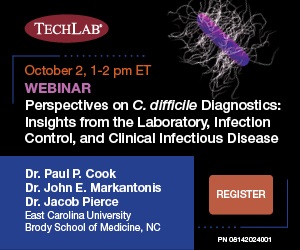
The evolution of C. difficile (C. diff) diagnostic methodologies, infection control policies, and reporting metrics has made the diagnosis of C. diff infections a puzzling and sometimes controversial space. This webinar presents expert perspectives from three different areas of clinical practice, with discussion on the clinical and financial impacts of C. diff testing methodologies, diagnostic stewardship, and the effect of the new guidelines and reporting metrics on current practice.
Speakers:
Paul P. Cook, MD
Chief, Division of Infectious Diseases
Professor of Medicine, Department of Internal Medicine
East Carolina University – Brody School of Medicine, Greenville, NC
John E. Markantonis, DO, D (ABMM)
Assistant Professor, Head of Microbiology
East Carolina University – Brody School of Medicine, Greenville, NC
Jacob Pierce, MD, MPH
Clinical Assistant Professor, Division of Infectious Diseases
East Carolina University – Brody School of Medicine, Greenville, NC
1.0 P.A.C.E.® contact hour will be provided for this basic level complimentary webinar.
TECHLAB is approved as a provider of continuing education programs in the clinical laboratory sciences by the ASCLS P.A.C.E.® Program.

Reducing blood culture contamination rate plays a significant role in driving antibiotic stewardship efforts and improving quality outcomes for hospital and healthcare systems. With the release of the recent CDC guidelines, Blood Culture Contamination: An Overview for Infection Control and Antibiotic Stewardship Programs Working with the Clinical Laboratory, more and more healthcare providers are seeking practice changes, including technology solutions, that will help them achieve the new CLSI goal of 1% blood culture contamination rate with best practices. In this webinar, learn more about these current and future measures to reduce contamination rates and improve the accuracy of blood culture results, and the practice change initiative of the Kentucky Hospital Association (KHA) to benchmark blood culture contamination rates and drive evidence-based best practices to reduce these rates statewide.
Speaker: Tammy Johnson, RN, BS, CPM
AVP, Clinical Strategy and Customer Relations
Magnolia Medical Technologies
Speaker: Debra Campbell, RN-BC, MSN, CPHQ, IP, T-CHEST, CCRN
Vice President, Clinical Strategy and Transformation
Kentucky Hospital Association
CE: 1
This presentation is sponsored by Magnolia Medical. CEs are provided exclusively by the sponsor and are not part of APIC’s continuing education program.
The objective of this presentation is to examine the contribution of hand and environmental contamination to Healthcare-Associated Infections (HAIs). This webinar will examine how focusing on HAI reduction through hand hygiene alone is not sufficient. It will detail the need for a “bundled” approach consisting of hand hygiene and a cleaning and disinfection program to help drive down HAIs.
The goal is to demonstrate the connection between the role hands and the environment play in cross-contamination, helping healthcare providers understand not only the importance of hand hygiene, but also the need to develop and maintain a robust environmental hygiene program for a safer environment for patients, staff, and visitors.
Speaker: Sharon Ward-Fore, BS, MS, MT(ASCP), CIC, FAPIC
Infection Prevention Advisor
Metrex
CE: 1
This presentation is sponsored by Metrex. CEs are provided exclusively by the sponsor and are not part of APIC’s continuing education program.

The objective of this presentation is to comprehensively examine the evolution of hand hygiene practices over time, critically evaluating instances where improvements could have been implemented. This webinar will be enriched by the incorporation of compelling statistical insights pertaining to hand hygiene, further reinforcing the central theme of continuous enhancement. An in-depth exploration of the intricate interplay between hand hygiene and Healthcare-Associated Infections (HAIs) will also be a focal point of this discourse. Ultimately, the primary emphasis of this presentation is to underscore the imperative of elevating our commitment to superior hand hygiene standards, driven by the unwavering dedication to the well-being of the patients under our care.
Speaker:

Sharon Ward-Fore, BS, MS, MT(ASCP), CIC, FAPIC
Infection Prevention Consultant
Essity

APIC 2023 Exhibitor Satellite Symposia
Wednesday, June 28, 2023
Orlando, Florida
Learn to establish decolonization processes.
Gain compliance with processes through ongoing monitoring.
Understand effective monitoring methods.
Symposia Speakers
Lorene Campbell, BSN, RN, CIC
Dhaiwat Kothari, MD (ECFMG), MPH, CIC, CPHQ, NHA
Connie Steed, MSN, RN, CIC, FAPIC

Patients are still developing CLABSIs under current evidence-based practice recommendations. A novel approach incorporating a TA within a prevention bundle at a tertiary academic medical center unit resulted in an 88% CLABSI reduction and more than 50% dressing disruption reduction. This session will provide a review of the successes, lessons learned, and understanding of future implications of the quality improvement project conducted. At session completion, participants will gain the understanding of TA impact on CLABSI prevention and the knowledge to replicate a similar project approach.

Speaker: Cristina Nuila
Manager, Quality and Performance Improvement
Houston Methodist Hospital

Speaker: Maria Eva Andrew
Continuous Quality Improvement Specialist and Former ICP
Houston Methodist Hospital
ADVERTISEMENTS

Want to post an industry event or news item? Email industryperspectives@apic.org for more information.